
Engineering
Aviation: How to Understand Planes, Helicopters, and Airships in Flight
By the end of this unit, you can explain in plain terms how a plane, a helicopter, and an airship each stay up, and why they use three different tricks to do it. The first lesson is free, and no card is needed to start.
How to understand how aircraft fly
Staying up means beating gravity, and there are only a few ways to do it. An aircraft can push air downward with a wing, spin a wing around in circles, or float because it's lighter than the air around it. That's the whole map. Beginners often assume a plane's engines hold it up, when the engines mostly push it forward, and the wings do the lifting.
Gravity is the opponent in all three designs, and how gravity works fills in what's pulling down while the aircraft pushes back. Everything below is a different answer to that one tug.
How to understand planes and helicopters as wings in motion
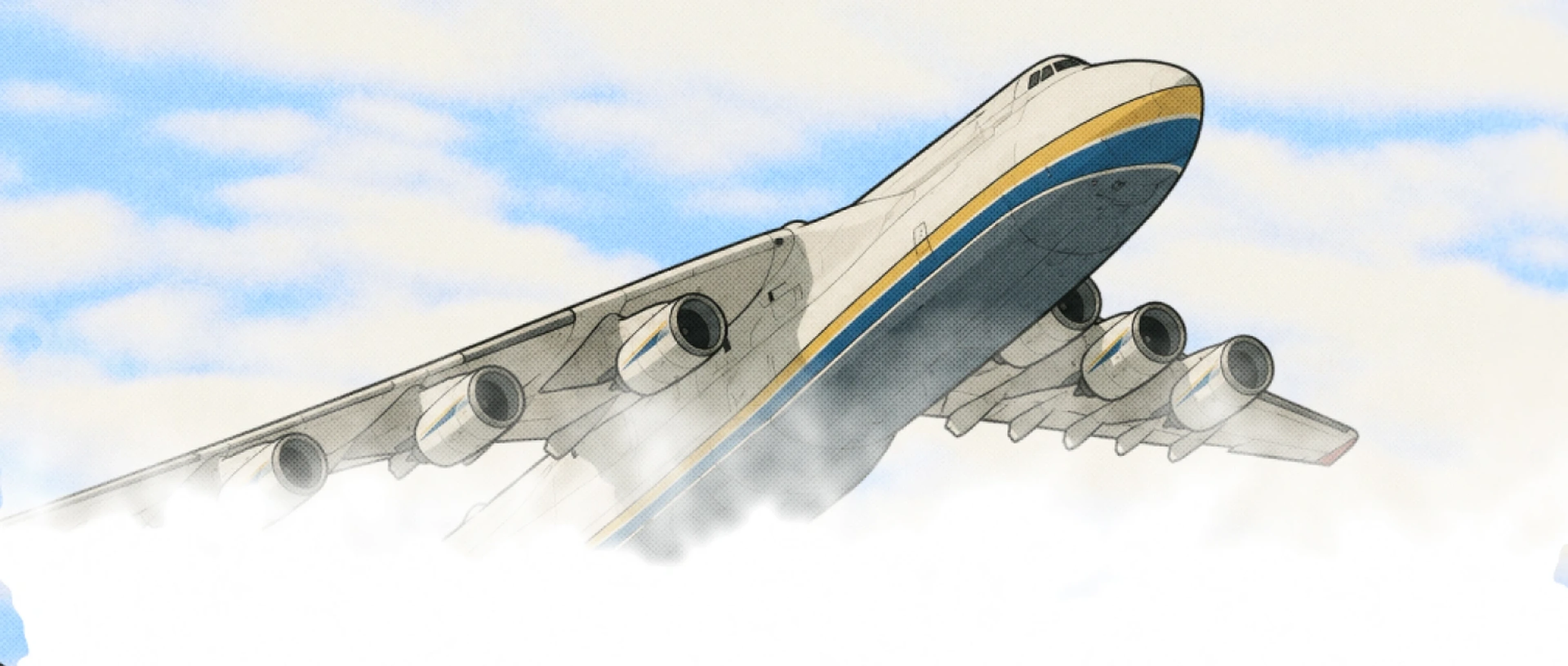
A plane is a heavy machine that stays up because air keeps rushing over its wings, which is the idea behind The science of flying heavy. That's why a plane needs speed before it leaves the runway: wings only lift when air is moving past them.
A helicopter makes a small twist on that. Its rotor blades are wings that spin, so the air moves over them even when the helicopter hovers in place, and The science of flying without moving forward is the lesson for that one. Tilt the rotor, and the helicopter can travel too, but hovering is the party trick.
How to understand airships as the lighter-than-air option
Airships solve the problem the opposite way. Instead of pushing against air, they're filled with a gas lighter than the air around them, so they float much like a cork in water. "Lighter-than-air" is the technical term, and The science of the aircraft that is lighter-than-air is the lesson that covers it. Because floating doesn't depend on speed, an airship can hang nearly still in the sky, which a plane can't.
Where to start with how aircraft fly
Start with whichever one you've caught yourself wondering about. The lessons stand alone, so none needs another to make sense. Planes are the familiar pick and give you the vocabulary of lift, so the helicopter lesson then reads as a twist on it. Airships make a good last stop because they work so differently from the other two.
If you like seeing how earlier machines moved people around, who invented the steamboat is a different vehicle with its own origin story.
Where aircraft fit in, and how to learn engineering
If you're working out how to learn engineering, aircraft are a handy place to see one problem solved three ways. Nothing before this unit is required.
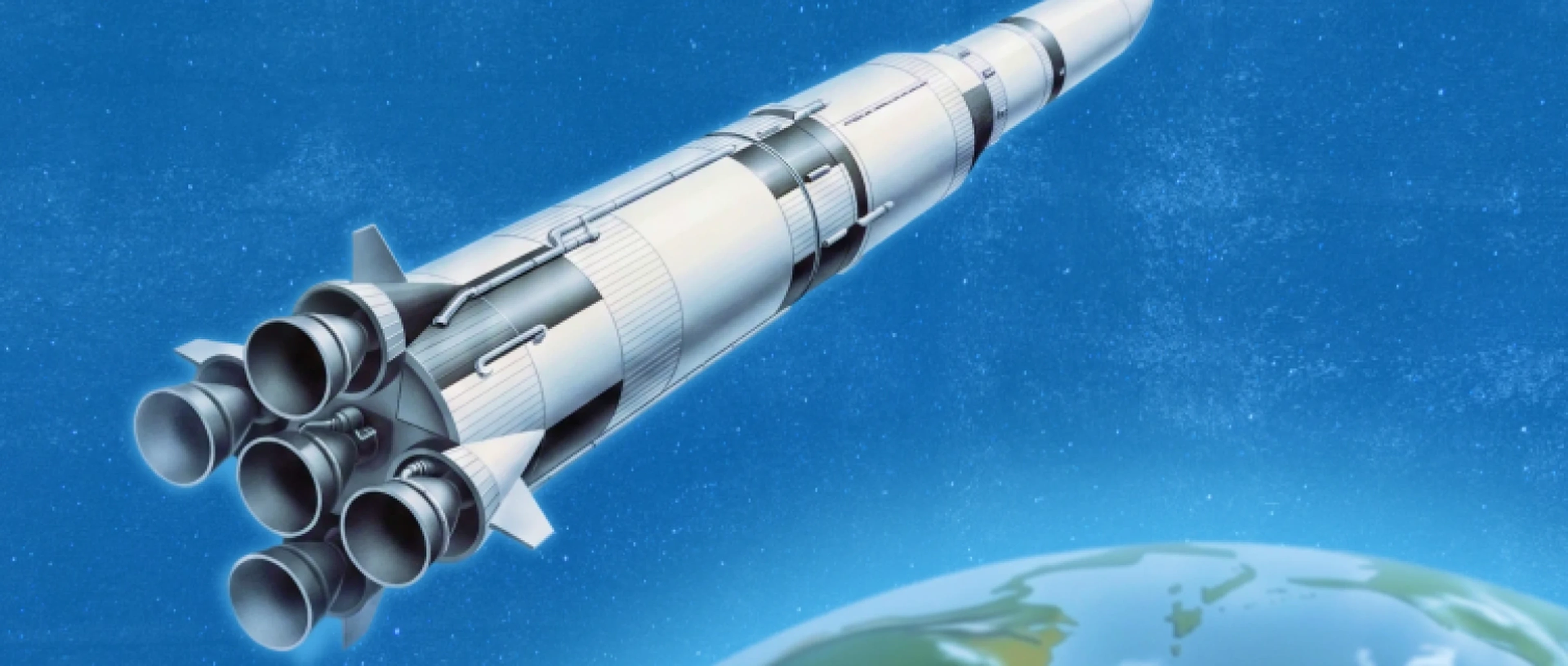
Once flying makes sense, the next question is: what happens when the air runs out, and rockets take over? That's also where a curious one like why space looks black starts to come up.



Is Nibble a good app?
Based on thousands of Nibble reviews across the App Store and Google Play, users often highlight the short lessons, variety of topics, and the option to learn instead of scrolling.
- 10m+
Downloads (all platforms)
- 670+
Content added weekly
- 4.3
App Store 46k+ ratings
- 4.4
Google Play 128k+ ratings


Google Play
I feel it makes one think about things that you would definitely not think of doing in your everyday life. Always look at the bigger picture and try and fathom how to get out of a difficult situation. Think outside of the box.

Karen Slaughter
July 21, 2026

AppStore
Very informative — I really like Nibble. If you want to expand your knowledge I highly recommence nibble. It doesn’t cost that much either. Very affordable. It has many options on what to learn about.
Goddaughter81
Jun 13, 2026
Google Play
More fun than games — This gives me more satisfaction than any of my games, because it means something. I’m still going to play my word solitaire and word connect, but nibble is def in the rotation.
OK88s
Jun 10, 2026
Common questions
Start with one question: how does this aircraft beat gravity?

A plane pushes air down with its wings, a helicopter spins its wings, and an airship floats because it's lighter than the air around it. Once you can name which trick an aircraft uses, the details fall into place.
What is the difference between heavier-than-air and lighter-than-air aircraft?
Heavier-than-air aircraft, like planes and helicopters, weigh more than the air they displace, so they need wings or rotors to generate lift. Lighter-than-air aircraft, like airships, are filled with a gas lighter than the surrounding air, so they float without needing to move forward.
What forces act on an aircraft in flight?
Four forces act on an aircraft: lift pushes up, weight pulls down, thrust pushes forward, and drag pulls back. Steady flight happens when they balance. Airships add buoyancy, the upward push of floating in air, which does the job wings do on a plane.