
Engineering
World-changing Inventions: How to Understand the Engineering Behind Electricity, Engines, Sewers, and Bridges
By the end of this unit, you can explain in plain words how electricity, engines, sewage systems, and bridges work, and what problem each one solved. The first lesson is free, and no card is needed to start.
How to understand how electricity, engines, sewage systems, and bridges work
Most of us use these four inventions all day without thinking about them. Flip a switch, start a car, flush a toilet, cross a bridge. A good way in is to ask one question of each: what problem was this built to solve? Once you know the problem, the mechanism stops looking like magic.
How to understand electricity and engines as ways of moving energy
Electricity is energy carried through wires, and how electricity powers the world is the lesson for seeing how that gets from where it's made to where you use it. If you want the human side, who invented electricity tells it as a story, and magnetic field lines are a good next stop for the underlying physics.
Engines do a different job. They take fuel and turn it into motion, which is the subject of How engines turned fuel into motion. Steam power was an early version of that trick, and who invented the steamboat is a question that follows from one machine that ran on it.
How to understand sewage systems and bridges as problems of flow and force
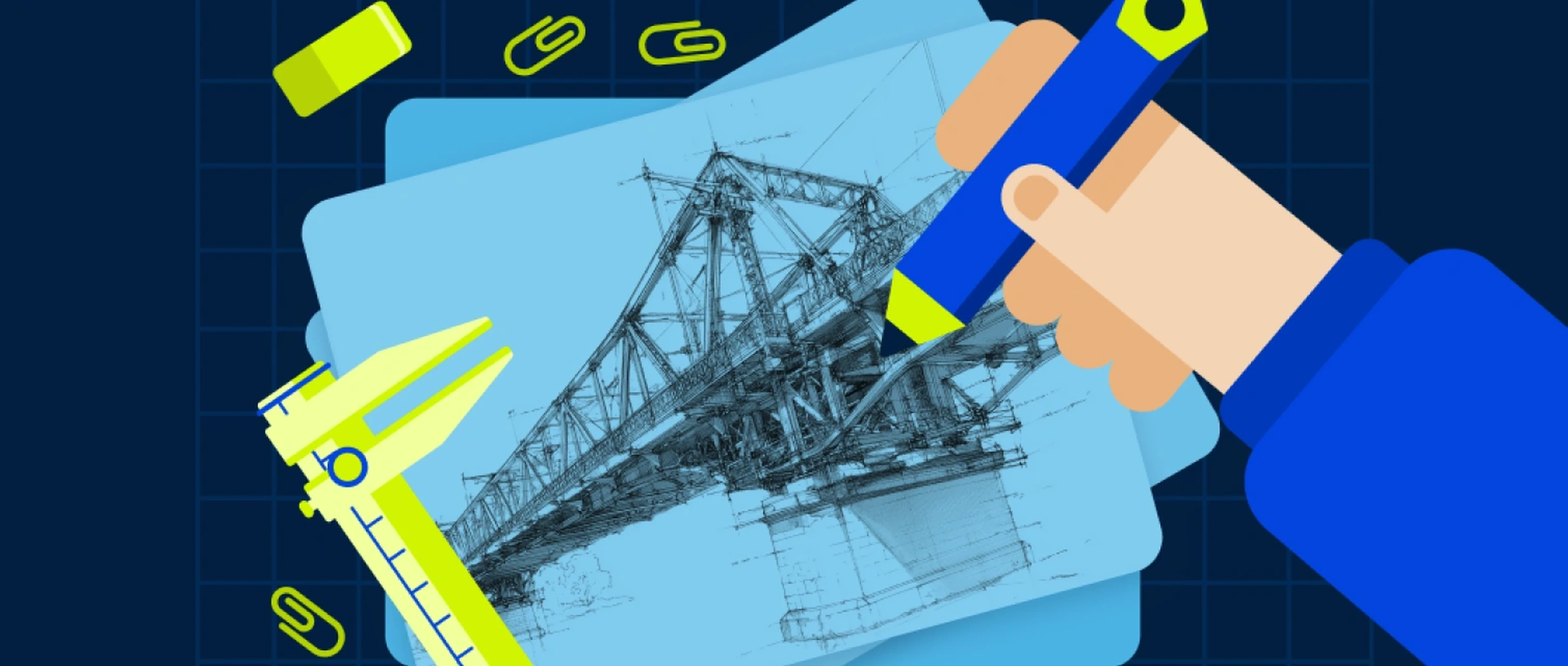
Sewage systems and bridges look nothing alike, but both are about managing something you can't wish away. In a sewer, the waste has to keep moving away from homes. In a bridge, it's the weight that has to travel safely into the ground, and what keeps bridges standing is where that gets its own lesson. Gravity is the force a bridge is always arguing with, and how gravity works fills in the other side of that argument.
Where to start with how everyday inventions work
Start with whichever invention you've used most today. The lessons stand alone, so none of them needs another to make sense. Electricity is a friendly first pick because you can see it working in the room you're sitting in, while sewage systems tend to surprise people because nobody thinks about them until something goes wrong.
If you get curious about inventions from the ancient world, ancient Chinese inventions are a fun place to wander.
How world-changing inventions fit into learning engineering
If you're figuring out how to learn engineering, this unit is the everyday end of it. These are machines and structures you walk past or switch on, so you already know what they do, and now you find out how.
Nothing before it is required. Afterward, you could move to engineering problems that happen far from home, like staying in the air or getting off the planet.


More units in Engineering



Is Nibble a good app?
Based on thousands of Nibble reviews across the App Store and Google Play, users often highlight the short lessons, variety of topics, and the option to learn instead of scrolling.
- 10m+
Downloads (all platforms)
- 670+
Content added weekly
- 4.3
App Store 46k+ ratings
- 4.4
Google Play 128k+ ratings


Google Play
I feel it makes one think about things that you would definitely not think of doing in your everyday life. Always look at the bigger picture and try and fathom how to get out of a difficult situation. Think outside of the box.

Karen Slaughter
July 21, 2026

AppStore
Very informative — I really like Nibble. If you want to expand your knowledge I highly recommence nibble. It doesn’t cost that much either. Very affordable. It has many options on what to learn about.
Goddaughter81
Jun 13, 2026
Google Play
More fun than games — This gives me more satisfaction than any of my games, because it means something. I’m still going to play my word solitaire and word connect, but nibble is def in the rotation.
OK88s
Jun 10, 2026
Common questions
How do I understand how everyday inventions work?

Pick one invention and ask what problem it solves and what makes it work. Electricity moves energy through wires, engines turn fuel into motion, sewers carry waste away from homes, and bridges carry loads across gaps. Once you know the problem, the mechanism is easier to follow.
What do electricity, engines, sewage systems, and bridges have in common?
Each one solves a basic everyday problem: moving energy, making motion, carrying waste away from homes, or crossing a gap. They're also mostly invisible once built, which is why they're easy to overlook until one stops working.
What are some important inventions that impact our daily lives?
Electricity, engines, sewage systems, and bridges are a good place to start. Electricity powers homes, engines move people and goods, sewers carry waste away from them, and bridges carry roads and rails across gaps. Most people use at least one of them every day.
How do people come up with inventions?
Most inventions start with a problem someone wants gone. Inventors try an idea, test it, borrow from earlier machines, and keep improving it. Electricity, engines, sewers, and bridges all took shape that way, with each design answering a practical need before it became everyday background.